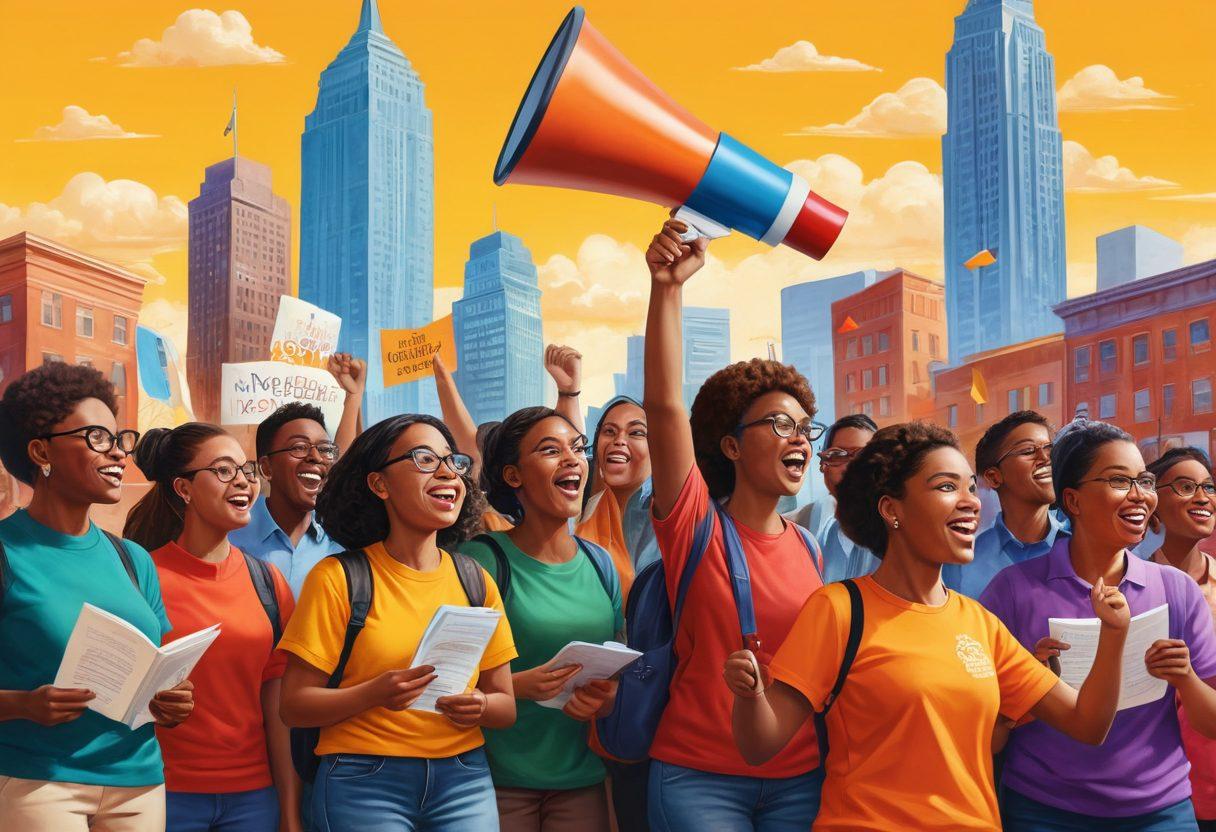
Equity in Education: The Equatorial Path to a Balanced Future
In a world where access to quality education is often determined by one's zip code, how do we navigate the equatorial divide? This divide exists not just geographically, but also in terms of opportunities and resources allocated to educational institutions. It’s time we focus on achievable strategies that promote equity in education. By addressing the drivers behind this divide, we can steer toward a future where every child has an equal opportunity to succeed. The question we must ask ourselves is: how do we create this balance?
Imagine a classroom where each child feels valued, regardless of their background. Equity in education is not merely a buzzword; it’s about leveling the playing field. Ensuring that all students have access to quality resources, good teachers, and opportunities to excel isn’t just a noble pursuit—it’s a necessary enterprise for a thriving society. As Robert Frost once said, 'Education is the ability to listen to almost anything without losing your temper or your self-confidence.' This spirit should be the cornerstone of our educational philosophy.
The journey toward equity requires a deep understanding of the unique challenges faced by learners from diverse backgrounds. Let's consider rural communities where resources may be scarce, or urban areas grappling with overcrowded classrooms. Each setting has its own hurdles, and solutions must be tailored. For instance, investing in technology can bridge the gap for students in isolated areas, allowing them access to digital resources and online journals that enhance their learning experience. How can we leverage technology to achieve equilibrium in education?
Community involvement plays a pivotal role in ensuring educational equity. Local organizations and parents can collaborate to create programs that support students both academically and socially. For example, mentorship programs can provide the guidance needed for underrepresented students, enabling them to navigate the educational system more effectively. Engaging parents in this discussion not only empowers them but also cultivates a supportive environment for students. Have you considered the impact of community-focused initiatives on education?
Lastly, advocacy remains a powerful tool in the fight for educational equity. Writing articles, creating content, and sharing thought leadership within the blogosphere amplifies voices that are often unheard. Whether you're a seasoned educator or a passionate parent, your story can inspire others to take action. Through discussion and commentary on platforms like personal blogs or lifestyle blogs, we can create a ripple effect of change. As a community, how can we transform our insights into action and ensure that education serves as a bridge rather than a barrier?
Building an Equitable Future: The Role of Education and Enterprise
Imagine a world where every child, regardless of their background, has access to quality education. This vision is the foundation for building an equitable future. In today's rapidly evolving society, education plays a pivotal role not just in personal growth but as a catalyst for enterprise in our communities. As we explore the relationship between equity in education and enterprise, let's ask ourselves: what hurdles must we overcome to create this balance?
To understand equity in education, we must first acknowledge that equality does not always equate to equity. While equality aims to provide everyone with the same resources, equity is about providing what each individual needs to succeed. This fundamental shift in perspective is crucial for fostering an environment of equilibrium. Imagine storytelling in classrooms where students of diverse backgrounds can relate their experiences to broader narratives, helping to create empathetic leaders and innovators tasked with solving future challenges. This approach fosters an enriching education system that is reflective of our collective human experience.
Effective education shouldn't remain confined within the walls of a classroom. The integration of enterprise into the education system is a powerful catalyst for change. When students are exposed to entrepreneurial thinking, they begin to understand the importance of contributing to their communities. Take, for instance, a tech-savvy teenager who starts a small online journal showcasing local businesses. This is more than just a blog post; it’s a step toward greater self-sufficiency and an opportunity for others to participate in the blogosphere, driving discussions and fostering leadership.
Imagine you’re attending a community meeting aimed at enhancing local educational initiatives. What would you want to voice as your opinion piece? Constructive discussions can lead to impactful changes. As thought leaders, we must engage in actionable discourse that bridges the gap between education and enterprise. By sharing our experiences and insights through digital diaries, lifestyle blogs, and engaging content creation, we can inspire others to join the movement toward equity in education. Reflecting on our roles allows us to envision a world where access to enterprise and education is a birthright, not a privilege.
In conclusion, building an equitable future begins with the understanding that both education and enterprise are intertwined in the journey to a balanced society. It requires a community effort to establish programs that support not only academic success but also entrepreneurial skills. By nurturing the next generation of leaders with a mindset toward equity, we can ensure that everyone has a meaningful seat at the table. So let's embrace this equatorial path and advocate for a world where education and enterprise work hand-in-hand for all. What steps will you take today to contribute to this journey?
From Blogging to Activism: Fostering Dialogue on Educational Equity
In a world where stories travel at the speed of a click, blogging has become more than just sharing personal anecdotes—it's a powerful catalyst for change. Welcome to the blogosphere, where discussions take off and activism ignites! Let’s navigate through the complex terrain of educational equity, where blogging transforms from a simple online journal to a thriving enterprise focused on fostering dialogue around the issues of equality and equilibrium in education. So, what role do you play in this movement?
At the heart of this conversation lies the quest for educational equity. Each article, every blog post penned, is a chance to reflect on our collective values and challenge the status quo. Imagine a world where every child has access to quality education, regardless of their background—this vision is the Equatorial path we’re seeking. Through digital diary entries, lifestyle blogs, and commentary pieces, we have the ability to amplify voices that often go unheard. By using our platforms for thought leadership, we can stir discussions that lead to tangible change. How powerful is that?
Let's take a step back and understand why dialogue is crucial. Educational equity is not just another buzzword; it’s a fundamental right for every individual. Yet, we live in a world where circumstances often dictate one's access to education. Our blogging efforts can create compelling narratives—stories of triumph against adversity, challenges faced by underserved communities, and innovative solutions to bridge the gaps. By sharing these stories, we not only inform but inspire action. Have you ever thought about how your personal blog could be a conduit for change?
Engaging with the audience is essential in this digital age. As content creators, we have the unique opportunity to foster discussions that resonate with our readers. Pose intriguing questions in your blog posts that invite commentary. Create a space for dialogue and encourage readers to share their thoughts and opinions. When we foster conversations about equity in education, we’re not just sharing an opinion piece; we’re creating a community invested in the future. Remember, each comment and discussion is a stepping stone toward progress. How can you ignite that spark?
In conclusion, blogging is not just an activity; it’s your gateway to activism and influence within the educational landscape. By harnessing the power of words through our web logs and articles, we can champion the cause of equity in education. Join me on this journey, where every post contributes to reshaping a future that prioritizes equality and opportunity for all. Share your insights, voice your concerns, and let’s write a story worth telling—a narrative that leads us to a more equitable education system. What’s your first step toward this Equatorial path?